
Journal
Stories and reflections on wine, the people who make it, the places we gather, and the ideas that connect them. A journal of curiosity, discovery and the pleasures of the table.

Why I teach WSET in English, in Verona, and never to more than twelve
Italians know their own wines better than anyone. WSET gives Italian wine lovers and professionals a way to read those wines alongside the rest of the world, in the common language of the international wine trade. Here is how I teach it at the Atelier, with the 2027 dates.

A Beaujolais made for one month, another for fifteen years. Both were right.
In Guangzhou one November, I drank a Beaujolais made only weeks before. Years later in Paris, I tasted a fifteen-year-old from the same region. Both were complete.

For the L2 & L3 exams, the one wine book I recommend beyond the WSET textbook is now in Verona
My WSET students often ask which book will help them pass. Usually the answer is the one they already have. There is one exception, and it has just arrived at the Atelier.
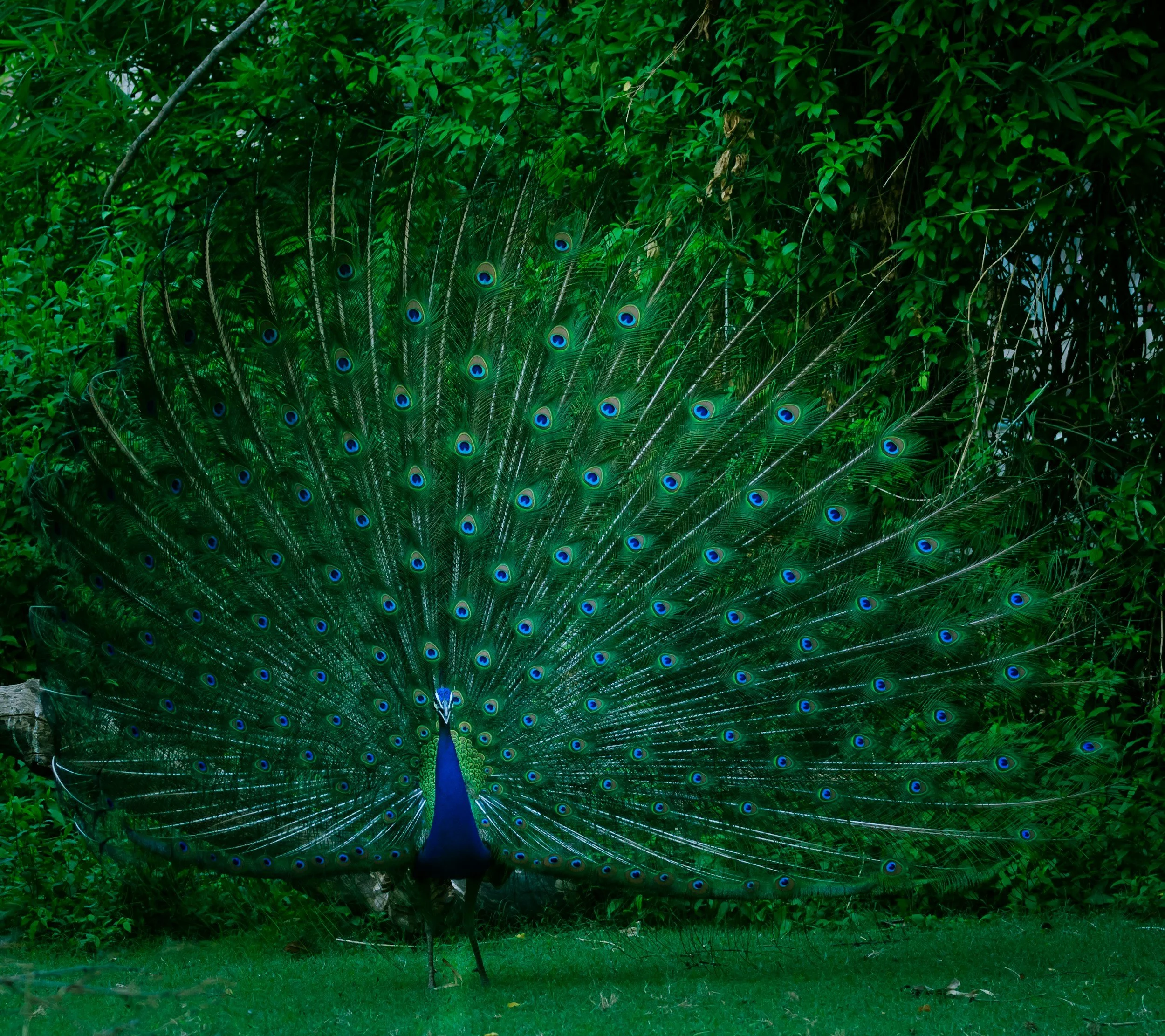
For years I read about the peacock’s tail. Then a Condrieu showed me
For years I carried a French phrase about the finish of great wine without understanding it. One evening in Hong Kong, a Condrieu explained it after I had swallowed.

On the Arele, a Memory of Silk: Appassimento as Valpolicella's Living Cultural Heritage
Across Valpolicella, the best grapes of the harvest now rest in the fruttai until December. Italy has put this rite forward to UNESCO, to protect a knowledge handed down through families rather than a method.

WSET textbooks at Atelier del Vino: three books, and the one I would keep
The three WSET wine textbooks are now available at Atelier del Vino, Grande Passione's home in Verona. I recommend the Level 3 book, which explains why wines taste the way they do. You need no course to benefit from it, only curiosity and a glass nearby.

I always walk my guests past the crowds to Venice's oldest vineyard
Whenever friends visit Venice, I lead them away from the crowds on the waterfront, past the Arsenale, to a convent in Castello. Behind its walls, friars still grow vines.

Four bottles without wine taught a room of experienced tasters to finally agree
In Hong Kong, a room of experienced tasters could not agree on acidity, tannin or sweetness. So one week I brought four bottles of water, each holding a single component, and we tasted them one at a time. This is the method that came from that evening, and how to repeat it at home.

The Italian Dream: A long lunch in a garden, and the art of living behind Italy's closed doors
The first time I turned the pages of The Italian Dream, I had the reaction most foreigners have: I want to be in that book.
Through a long lunch in a garden and the houses of Italy's old families, it captures an art of living quietly preserved for generations.
It is a dream, of course, but one worth looking for, because it does exist.

The forest beneath the vines: A once-feared lakeside wilderness now yields whites worth waiting for
Before it was a wine, Lugana was a marshy forest that travellers crossed with caution, a blank space between the lake and the plain.
Today it is home to a grape with its own name and white wines that, given time in bottle, can stand beside the finest anywhere.

Sixteen degrees of alcohol, and the word I keep writing in the margin
Every year the Valpolicella consortium asks me to taste the new Amarone. On paper, these wines should be exhausting. Lately one word keeps appearing in my notes.

Reasons to Care: Cortina called wine's language old. Renewal begins with what you enjoy.
Much of wine communication answers questions nobody has asked yet: information offered before interest exists. People find their way into wine through a moment, and knowledge follows when curiosity asks for it. Wine has no shortage of information. What it needs more of is invitation.

I put a piece of Etna lava in my mouth. It tasted of rock.
On Etna, I once picked up a fragment of lava and put it on my tongue. It tasted of rock. What soil really gives a wine turned out to be more interesting.

Nothing thrown away: A Veronese proverb about the pig explains Ripasso, the second life of Amarone's skins
A glass of Secondo Marco Ripasso sits on a bridge between two wines.
It also crosses a much older one, back to a Verona that could not afford to waste anything.
Over dinner in San Zeno, a friend asked me to walk him across.

How do you judge a wine you have never tasted before?
The flight in front of us held wines none of the judges had ever tasted. How do you score what you cannot compare? Four questions proved enough.

Atelier del Vino: After years of teaching in other people's rooms, Grande Passione opens a door of its own in Verona
For years my tastings and classes have been held in other people's rooms. Atelier del Vino, in Verona, is the first that is my own, a place where I can welcome guests as I would at home. Its website, atelier.grandepassione.com, opens very soon.

WSET Level 3 Tasting Notes: Wines poured across many classes, written in exam format to calibrate your palate

A Chablis my student found thin, and what it taught us both
A student in Hong Kong told me a celebrated Chablis tasted thin. Nothing was wrong with her palate. She was simply measuring the wine before she had understood it.

The hills drawn twice: A sommelier's question leads through three maps of Barolo to names older than the wine
Italy's 181 Barolo MGA name places without ranking a single one, and a group of Japanese sommeliers asked me the obvious question: what is it for?
The answer lies in a map drawn in 1971, a hill fought over for seven years, and vineyard names older than the wine itself.

Reading Wine: A question carried through twenty years of teaching becomes a book on telling style from quality
Knowing a wine and reading one are not the same thing. In Reading Wine, Jean Charles Viens offers a practical framework for understanding style and quality—for clearer judgement, fairer tasting and greater pleasure.