When I began studying wine seriously, I read book after book and collected phrases the way a language learner collects idioms. Half understood, trusting that experience would one day fill them in.
One kept returning. The French describe the finish of a great wine as la queue de paon, the peacock’s tail. The aftertaste, they say, fans out in the mouth like a peacock opening its feathers.
I admired the image. I had no idea what it meant.
Then, one evening at a restaurant in Hong Kong, the sommelier poured a Condrieu. Apricot, white flowers, something honeyed. Lovely, but I had smelled lovely before.
What I wasn’t ready for came after I swallowed.
The finish didn’t fade. It opened. A wave of stone fruit, then a floral one, then spice, then something cooler and faintly savoury. Each wave felt slightly different in the mouth, too. I sat very still, because moving felt like an interruption.
A phrase I had carried for years had become a sensation.
Tasters are often taught to measure length by counting seconds after swallowing. It is a useful discipline. But a wine can linger on a single note, or it can unfold. What matters is whether the finish still has something new to say. A long finish is also how a wine follows you out of the room. It is the part you remember.
Try this with your next good bottle. Swallow, close your mouth, breathe out gently through your nose, and say nothing. Count the changes rather than the seconds.
And keep the words you don’t yet understand. Some of them are waiting for the right glass.
Twenty years on, I can still trace that Condrieu wave by wave. It sits in the chapter of Reading Wine on complexity and length.
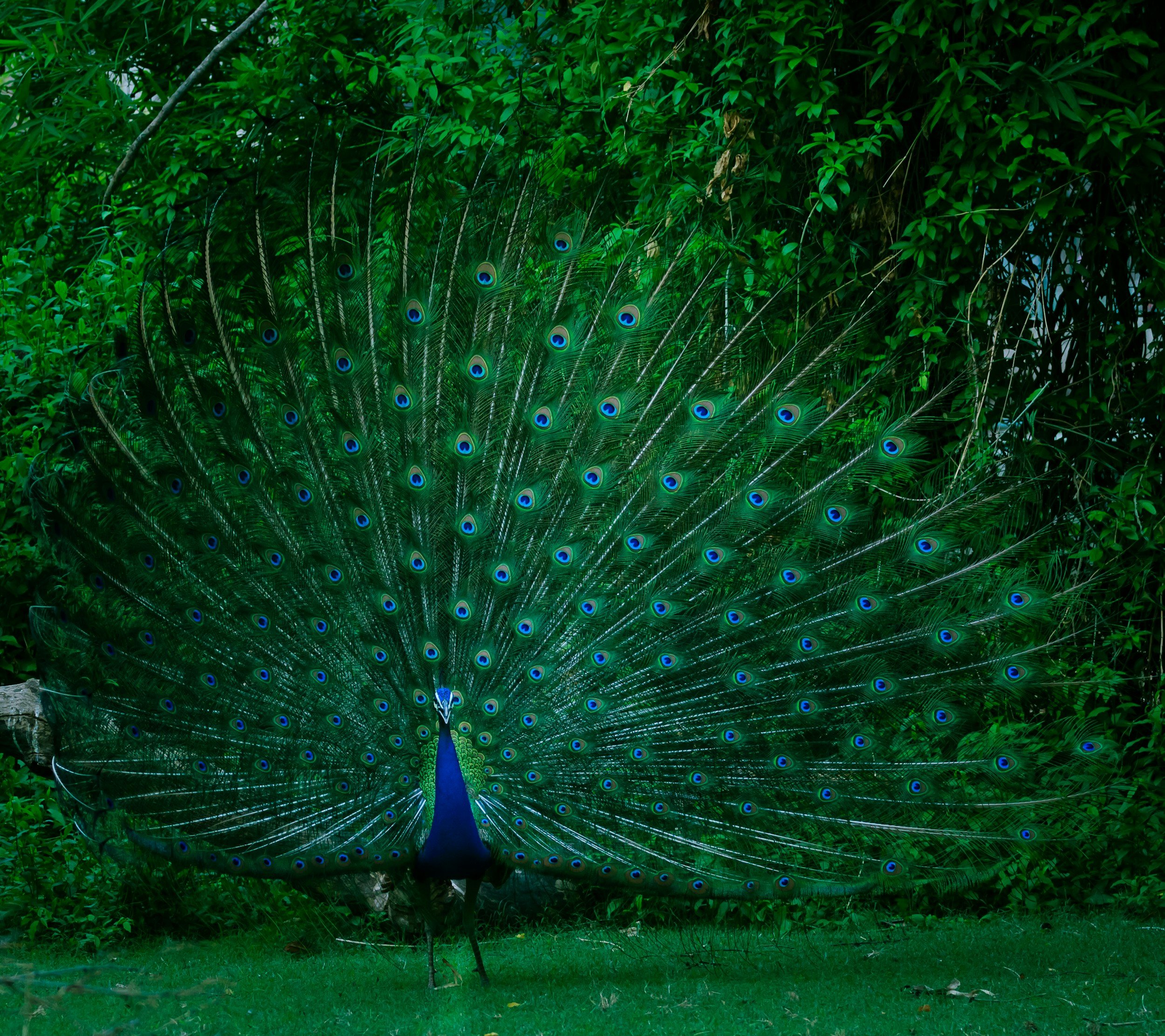
Photo by Vivek Doshi