The first Beaujolais I ever drank was in Guangzhou, at the end of November, at a festival for the release of Beaujolais Nouveau.
A few weeks earlier, the wine had still been grapes on the vine. The room was loud and happy, and so was the wine. Juicy, vivid, almost weightless. So easy to drink that I admit to having enjoyed a fair share of it.
There was no ambition in it, and none was needed. It had been made for a moment, and the moment had arrived.
Many years later, at Wine Paris, I was poured a fifteen-year-old Beaujolais from one of the cru villages. The bright fruit was long gone. In its place: dried red fruit, forest floor, warm earth, a touch of pepper. A supple texture, and a finish that unfolded in quiet waves.
Same region. Same grape. Two different intentions. Both wines were excellent, and neither was a lesser version of the other.
Wine culture ranks them anyway. Wines that age are called serious. Wines made to drink young are called pleasant. That hierarchy distorts a great deal.
Time can refine a wine. It can soften, integrate, reveal. It cannot add depth that was never there. A wine that bores you today will most likely bore you in ten years, only more tired.
So before you put a bottle away, ask two questions. Is it interesting now? And is time what this wine was made for?
Most of the world’s wine was made for now. Here in Verona, a chilled Bardolino on a warm evening by the lake is complete in a way no cellar could improve.
Reading Wine has a chapter on ageing, and on the myths that gather around it.
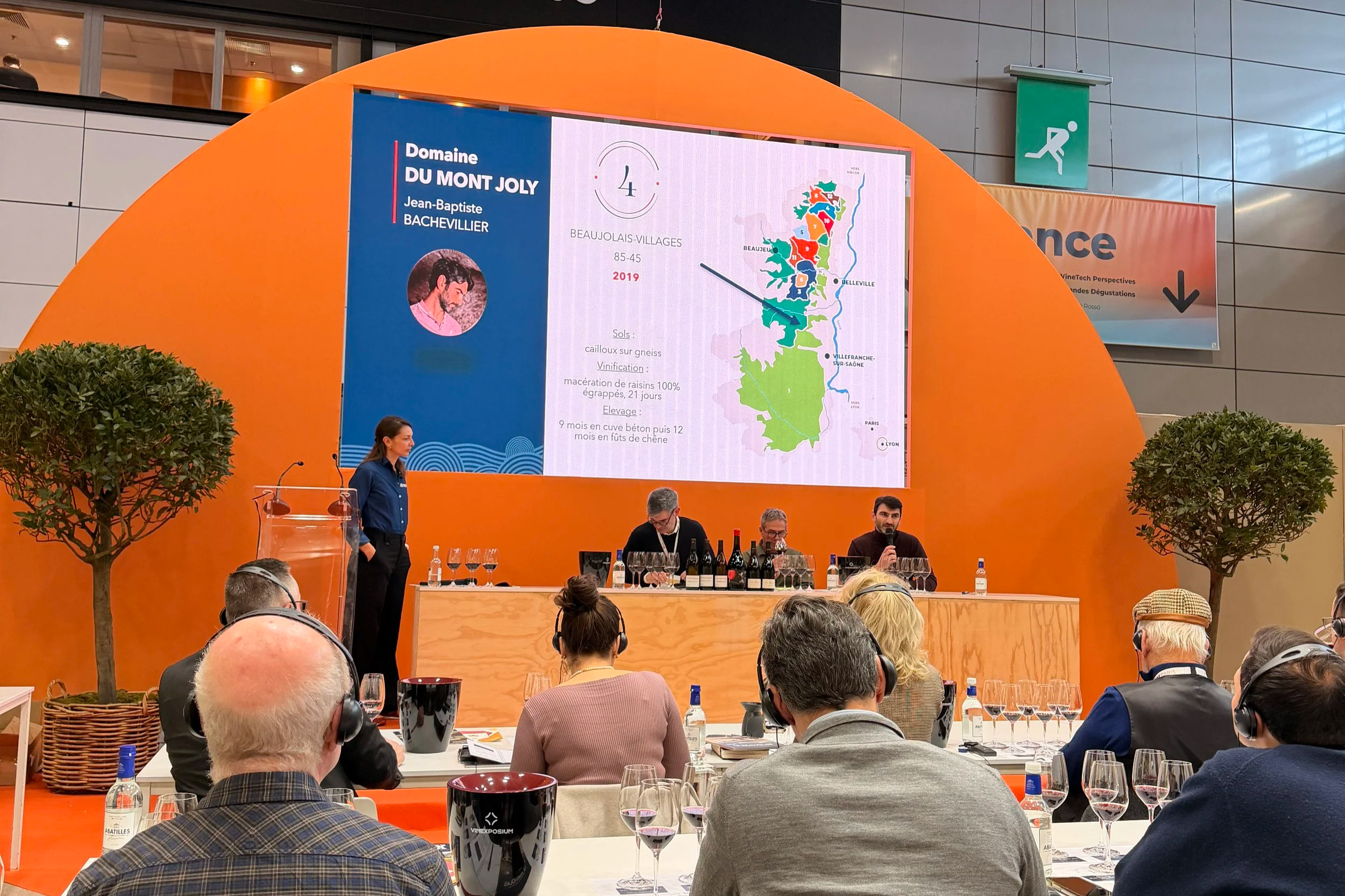
Photo by JC Viens