I put a piece of Etna lava in my mouth. It tasted of rock.
Some years ago I was walking a vineyard on Mount Etna with a group of journalists, black volcanic soil underfoot.
And I felt a sudden, slightly adolescent urge.
I picked up a small fragment of lava, brushed it off, and put it on my tongue.
I wanted to taste the soil directly. To confirm what wine language had been promising me for years: that the ground passes into the glass.
It tasted of rock. Nothing more.
I felt foolish almost at once. I have thought about that moment many times since, because the same instinct runs through a great deal of serious wine writing. We talk of slate, limestone and volcanic ash as though vines drink geology and turn it into flavour.
They don’t. The minerals a vine takes up are far too small to taste, and they carry nothing of the rock they came from. What a vine asks of its soil is water, drainage, warmth, and the right degree of struggle. On Etna, poor and free-draining soil makes the vine work, and a vine that works gives wine of tension and precision.
The sensation people call minerality is real, though. Italian has a better word for it: sapidità.
It names a savoury, mouth-watering quality. The palate feels crisp and alive, the finish is lip-smacking, and you reach for another sip almost before you have decided to. Taste an Etna Bianco made from Carricante and you will know it at once.
Nobody can yet say for certain where it comes from. Sapidità doesn’t need to. It describes what the wine does to your palate, without claiming the stone put it there. That makes it honest, and useful.
So when someone tells you a wine tastes of volcanic rock, ask a different question: what did the soil do to the vine?
The answer is less romantic. I find it more beautiful.
There is a chapter of Reading Wine about soil, and it begins on that slope.
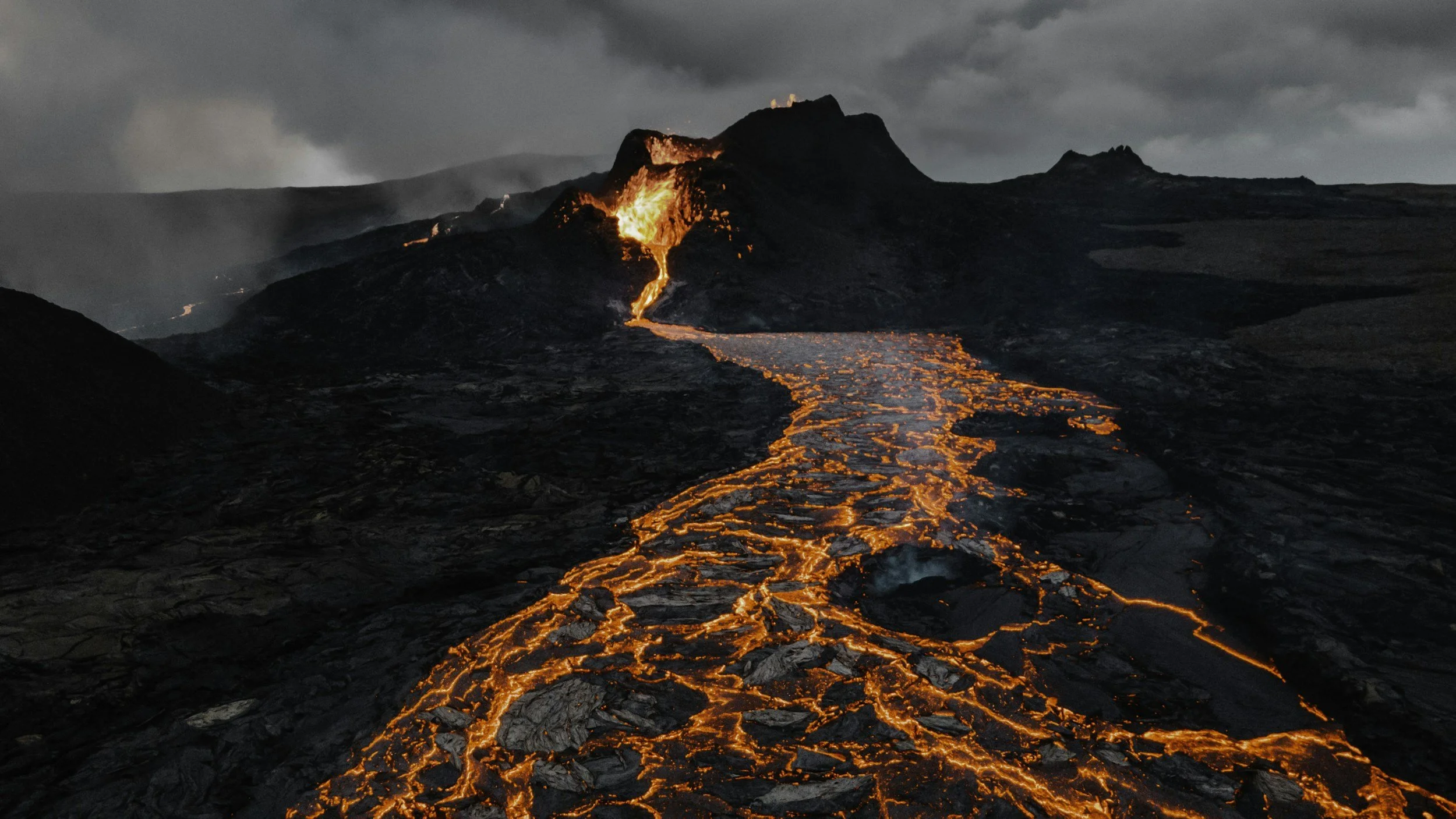
Photo by Tetiana GRY