Wine begins with pleasure
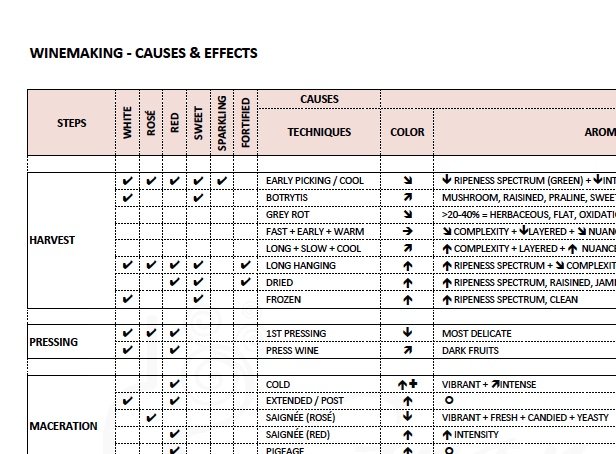
In a deductive tasting exercise, winemaking techniques can yield helpful, sometimes essential, clues to identify the origin of a wine, even its quality status in the hierarchy of an Appellation.
Here is a helpful table outlining the effects of these techniques on style and quality. To be used alongside the tasting notes, of course…
Every map of Barolo records what someone believed the land was for, from Fantini's list of the 1880s to Ratti's Burgundian ranking and the unranked MGA of 2010.
Each answers the question of its generation, and as climate pushes growers higher, the hills are being drawn once again.
Knowing a wine and reading one are not the same thing. In Reading Wine, Jean Charles Viens offers a practical framework for understanding style and quality—for clearer judgement, fairer tasting and greater pleasure.
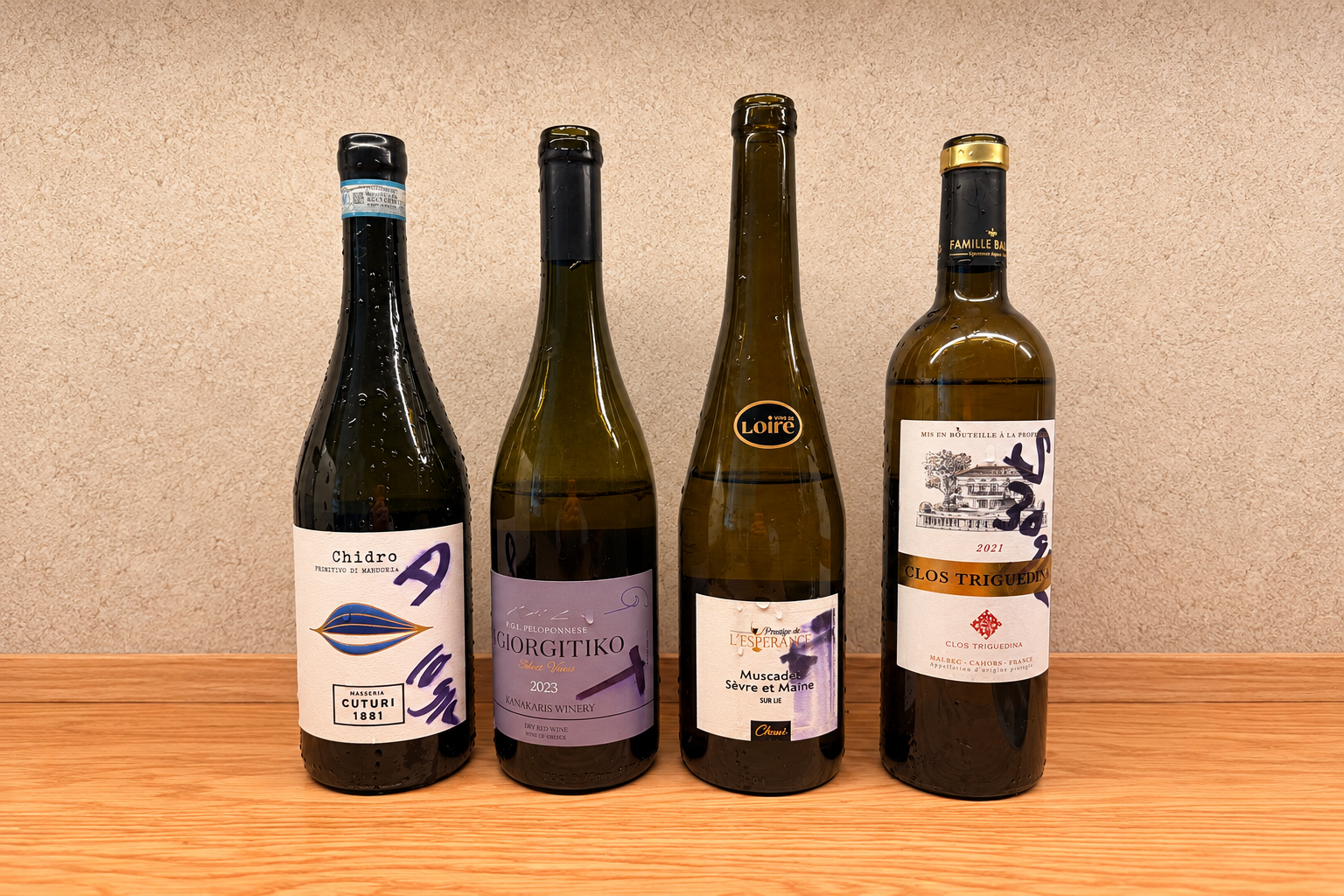
A good friend asked me for recommendations of wines to exercise for the practical exam of the WSET Level 3 Award in Wines. In this post, I propose an exercise.
Fundamental is to taste as per the Systematic Approach to Tasting, which was demonstrated using at least 70 wines during class time.
However, the critical point to pass with a high level is to be crystal clear with the skills required to demonstrate to the examiner.
Excited to announce my partnership with the University of Gastronomic Sciences - Pollenzo for their "Master in Wine & Spirits" to teach the Wine & Spirit Education Trust Level 3 Award in Wines to students enrolling in this most comprehensive program to help participants expand their careers in Europe and abroad.
For study purposes, I created various MindMaps (dropbox folder) showing essential information for 175 Italian grape varieties. Click on an icon below to see my study notes...
These are based on the book by Ian d'Agata, Native Wines Grapes of Italy and reinforced with added information (organoleptic properties only) from Wine Grapes by Jancis Robinson, Julia Harding, and Jose Vouillamoz.
It gives me great satisfaction to have had an active role in influencing and guiding this initial stage. For me, the work of an “Ambassador” was always so much more than conducting a few masterclasses here and there. It was to be involved from the get-go with establishing an effective strategy to favour long-term success. Most of all, however, I feel privileged to have worked under the leadership of Silvano Brescianini, the President of the Consorzio.
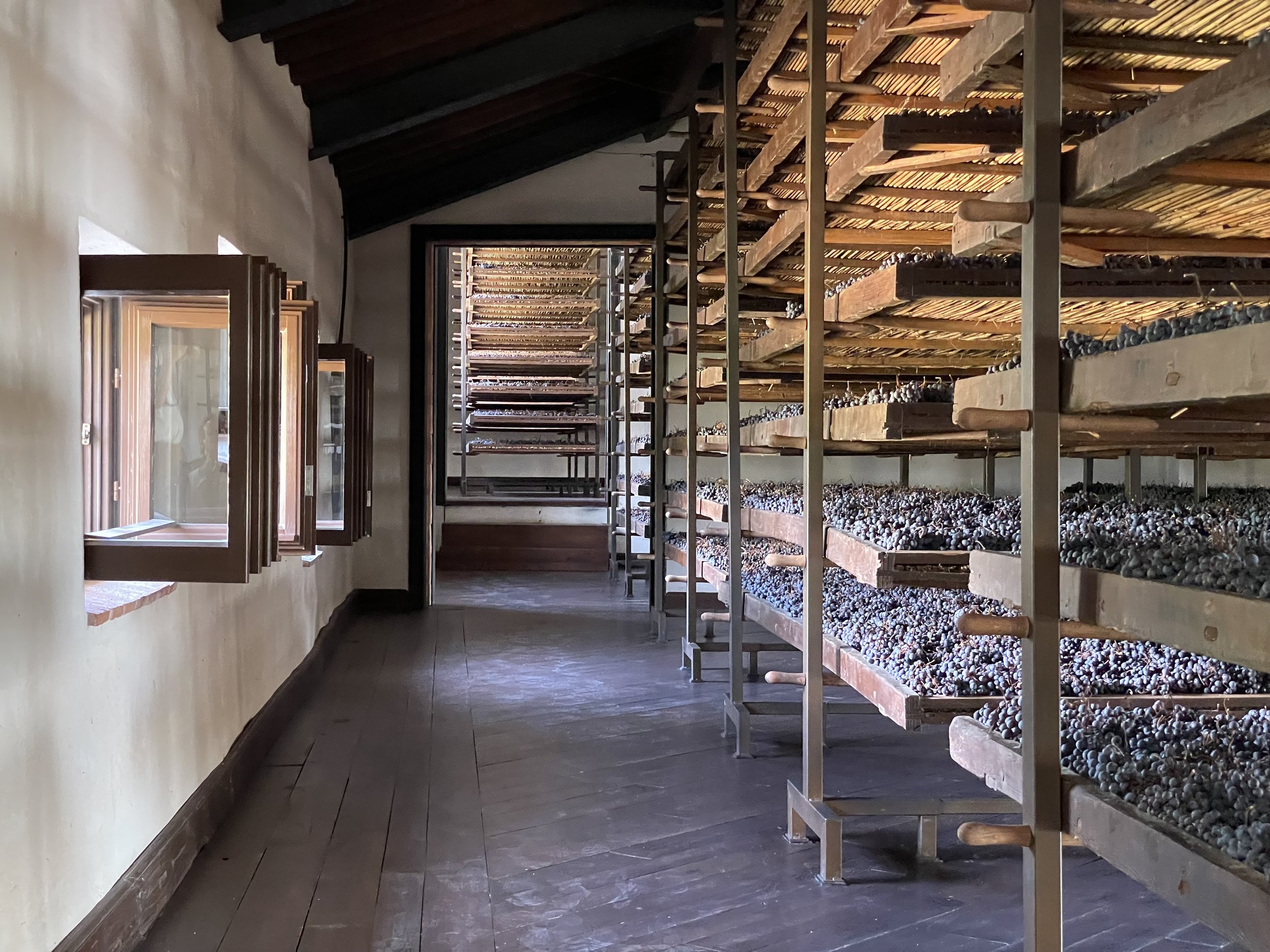
In the context of “Amarone Opera Prima” held last June in Verona, I had a chance to present my case for the Amarone of the future. Focusing on six emblematic producers, my aim was to convince an audience of more than 100 journalists from around the world that the region is going through a generational change and seek to produce an Amarone both as an expression of place and a symbol of excellence.
Reading Wine
Every map of Barolo records what someone believed the land was for, from Fantini's list of the 1880s to Ratti's Burgundian ranking and the unranked MGA of 2010.
Each answers the question of its generation, and as climate pushes growers higher, the hills are being drawn once again.