Italians rarely need persuading about wine. Most people who enrol at the Atelier grew up with it on the table, and many have already followed an AIS or FISAR course, which teach Italian wine, service and food pairing in real depth. WSET does something else. It places Italian wine inside one international framework, so a Valpolicella Classico is studied beside a Beaujolais, and a Barolo beside a Bordeaux, with the same questions asked of each. That comparison is where much of the learning happens. You begin to see what is truly distinctive about the wines you know best. The course is also taught entirely in English, which matters more than it first appears. Veneto alone accounts for more than a third of Italy’s wine exports by value, and English has become a common working language of the international wine trade, from importers and buyers to sommeliers and educators. WSET qualifications are offered in more than 70 countries, so they give students a shared reference wherever Italian wine travels. And since Level 3 is not currently available in Italian, studying in English from the start prepares you for it.
Each level asks a different question. Level 1 is a single day with at least ten wines: the main styles and grapes, how to describe what is in the glass, and how to store, serve and pair a bottle. Level 2 takes three days and at least forty-five wines, and asks how grape, place and the choices made in the cellar shape style and quality. Level 3 runs over five days with at least seventy wines and moves from description to explanation: why a wine tastes as it does, how good it is, and whether it is ready to drink. It also asks for real independent study, around fifty hours beyond the classroom, before a theory paper and a blind tasting. At every level, the syllabus brings a great many facts. My work is to help students connect them. I published Reading Wine after years of meeting people who knew a great deal and still hesitated in front of a glass. The facts had accumulated; the clarity had not followed. So we begin with one distinction: what a wine is like, and how well it achieves what it sets out to be. Style first, then quality. Once that distinction holds, the rest starts to fall into place. A grape variety becomes a source of structure and aroma. The ripening conditions of a place explain how the fruit matured. Each decision in the vineyard and the cellar reads as a choice made for an intended style. A wine’s reputation, price or appellation may tell us something about its ambitions; the evidence of its style and quality is in the glass. A taut Chablis and a broad Californian Chardonnay can then be judged on their own terms, through four questions that travel to any wine: is it complex, balanced, harmonious, long? Judgement becomes clearer and more confident. The facts stay, too, because each one is attached to a reason and to something tasted.
Every course takes place at the Atelier del Vino in Verona, around a long oak table, with shelves of wine books and bottles, maps of wine regions on the walls, and plenty of glasses ready. I keep each group to twelve people at most. Tasting is learned in conversation: you say what you find, hear what someone else found in the same glass, and slowly calibrate. We taste wines side by side, come back to one after a discussion, and sometimes discover that a first impression has changed. With twelve, everyone speaks. I can taste beside each student, notice where they hesitate, and answer the question they weren’t sure they should ask. These are serious courses, with defined objectives and examinations. I also want the hours we spend together to be a pleasure, because a clearer understanding gives us more ways to enjoy wine.
Members of the Consorzio Tutela Vini Valpolicella receive a discount on each level; ask me for the code.
2027 dates
WSET Level 1 Award in Wines · one day (exam on same day) · €290
· 11 January
· 15 March
· 7 June
· 4 October
WSET Level 2 Award in Wines · three days · €690
· 13–15 January, exam 6 March
· 17–19 March, exam 30 April
· 9–11 June, exam 31 July
· 6–8 October, exam 4 December
WSET Level 3 Award in Wines · five days · €1,500
· 18–22 January, exam 6 March
· 22–26 March, exam 30 April
· 14–18 June, exam 31 July
· 11–15 October, exam 4 December
All courses are taught in English, from 09:00 to 17:30. Level 1 ends at 16:30, followed by the exam. Prices include the textbook and your first exam attempt.
If you’re unsure which level suits you, write to me before enrolling, and we’ll decide together.
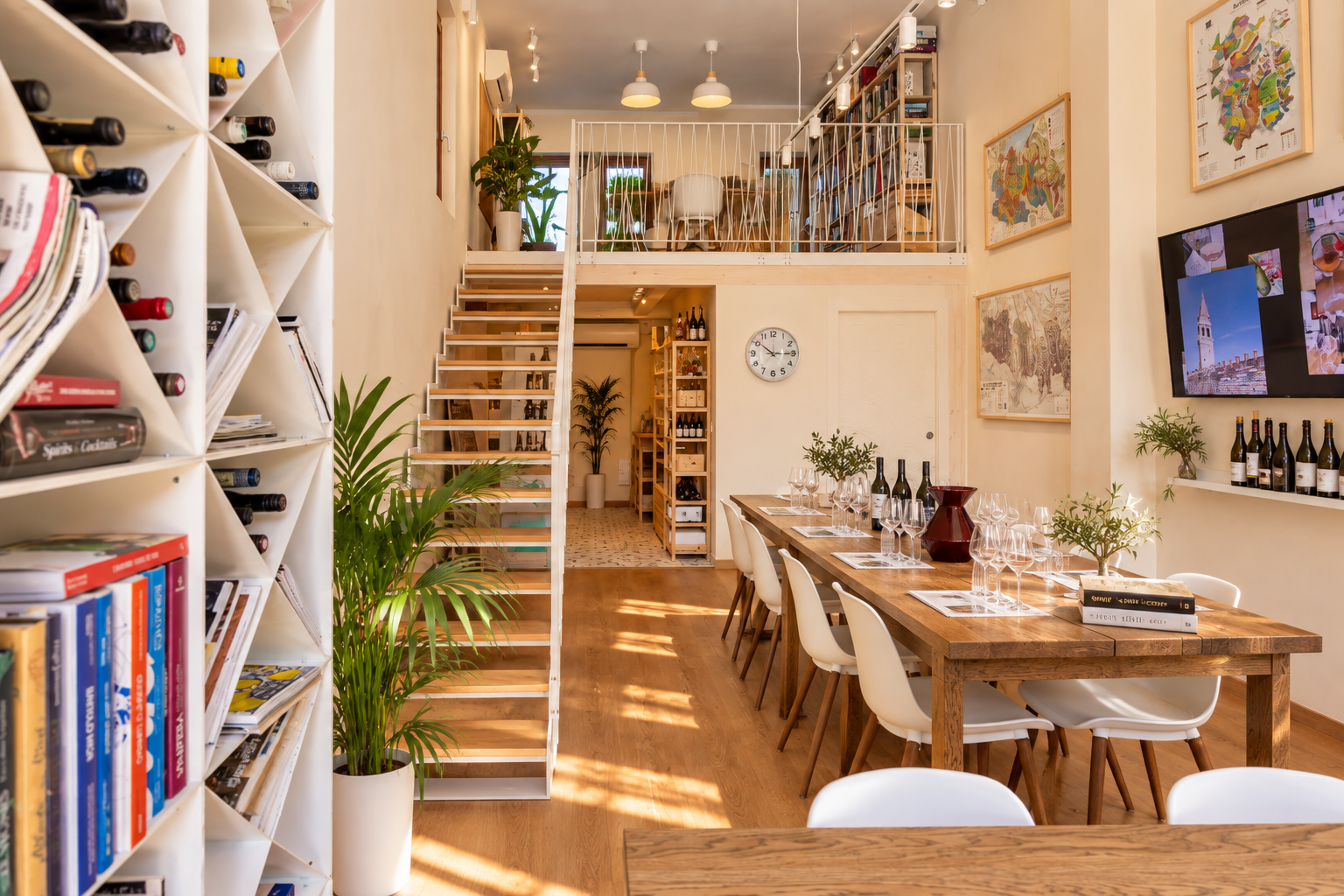
photo Daniela Martin