Sixteen degrees of alcohol, and the word I keep writing in the margin
Every year, the Valpolicella wine consortium invites me to taste a series of Amarone and help describe the new vintage.
On paper, it should be an exhausting morning.
Amarone is made from grapes left to dry for months until they have lost much of their water. Sugar, acidity and flavour all concentrate. The alcohol often climbs past fifteen degrees, sometimes sixteen. Everything about its construction says too much.
For a long time, many Amarone were exactly that. The alcohol burned. A trace of sweetness lingered on the finish. Oak spoke louder than the fruit. The wines impressed by mass and tired you by the second glass.
Looking back through my notes, I can see the change. More and more producers are searching for one particular point: the moment when fresh acidity lifts the alcohol and concentration instead of being buried by them. The wines are drier, the sweetness pushed into the background. The power is all still there. But it moves.
Supple. Fluid. Lip-smacking, even, with a freshness and sapidità you would hardly expect from a red of sixteen degrees.
And one word has started to appear in my margins, a word I never expected to use for a wine of such concentration.
Ethereal.
That is the lesson Amarone keeps teaching me. Balance has nothing to do with moderation. A wine can be enormous and still be in balance, as long as something answers its power. In the best Amarone, that something is acidity.
So never judge a wine by a single number on its label. Sixteen degrees tells you very little. Notice instead what happens at the finish. Does the wine leave you heavy and warm, or with your mouth watering, reaching for the next sip?
In Reading Wine, balance is a matter of relationships, and Amarone is my favourite proof.
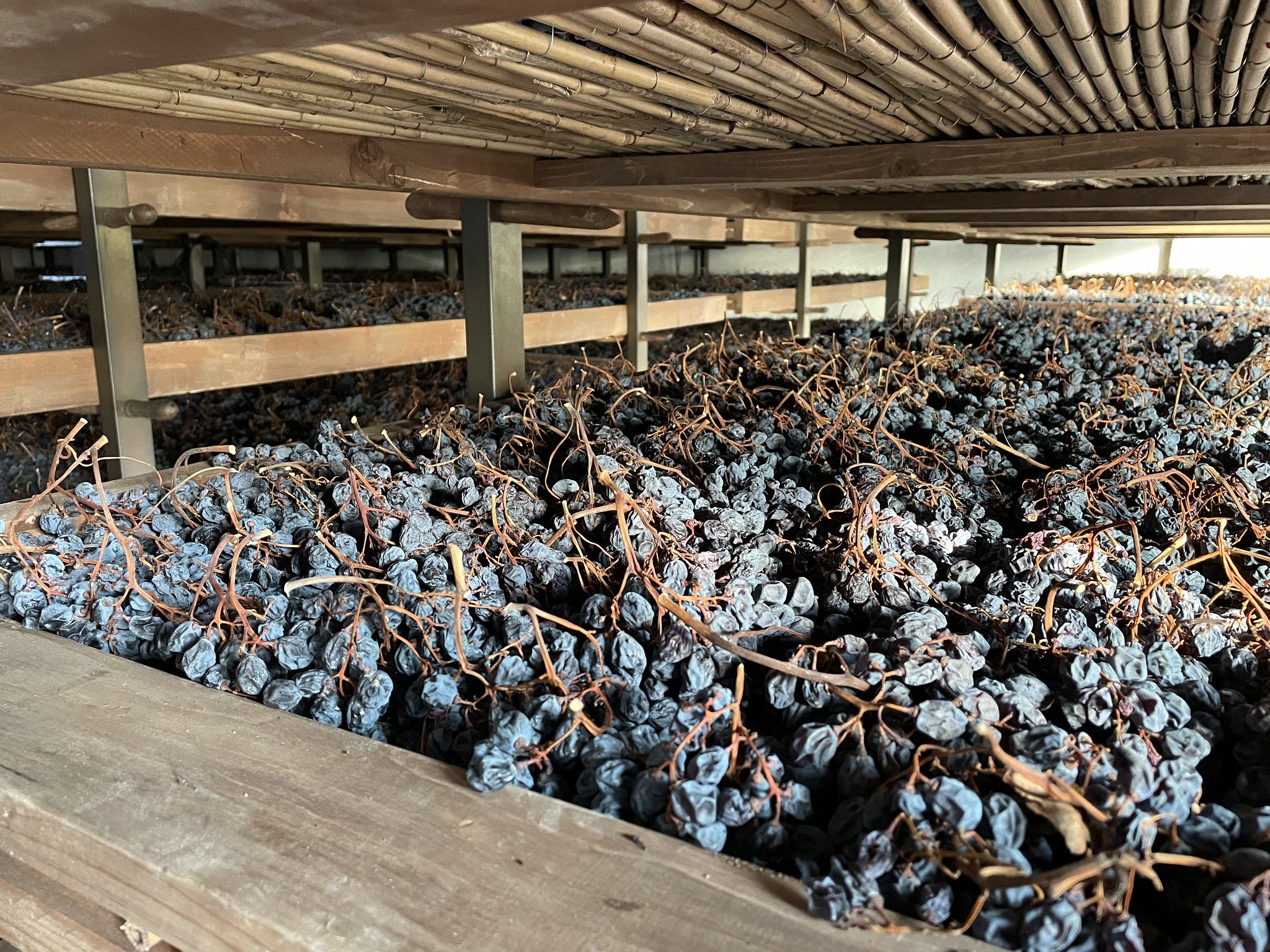
Photo by JC Viens