Some years ago, at a long lunch in the Sabina hills, forty minutes from Rome, our host opened a bottle he had kept for years. A Querciabella Batàr 2010. He had spent the whole week cooking for us.
It was a beautiful wine. More than that, it was a gift.
Then our host mentioned, kindly, that I was preparing for the Master of Wine examination. The atmosphere shifted. One guest, visibly excited, insisted that I describe the wine for everyone.
I said it tasted of friendship. That it was the clearest expression of what our host had given us: a bottle kept for so long, a week at the stove, a table of people he cared about.
He dismissed it as nonsense. Then he took the glass and analysed it himself, note by note, precise and clinical.
Every aroma he named may well have been there. None of them was why the bottle had been opened.
I remember that discomfort clearly. The more I studied, the more I noticed what expertise could do to a table. Friends hesitated to bring a bottle to my flat. People grew unsure of their own pleasure when I was in the room. The wine became an exam, and enjoyment had to wait for the results.
I spend much of my life teaching people to describe wine precisely. I believe in it. But description has its moment, and that lunch was not it.
If you know more about wine than the people around you, your knowledge is something to offer, never to impose. Ask what they are enjoying before you say what you notice. Let a host’s bottle be a gift first.
Knowledge enriches wine. Pleasure gives it meaning.
Reading Wine gives you a language for judging wine. That lunch taught me when to leave it unspoken.
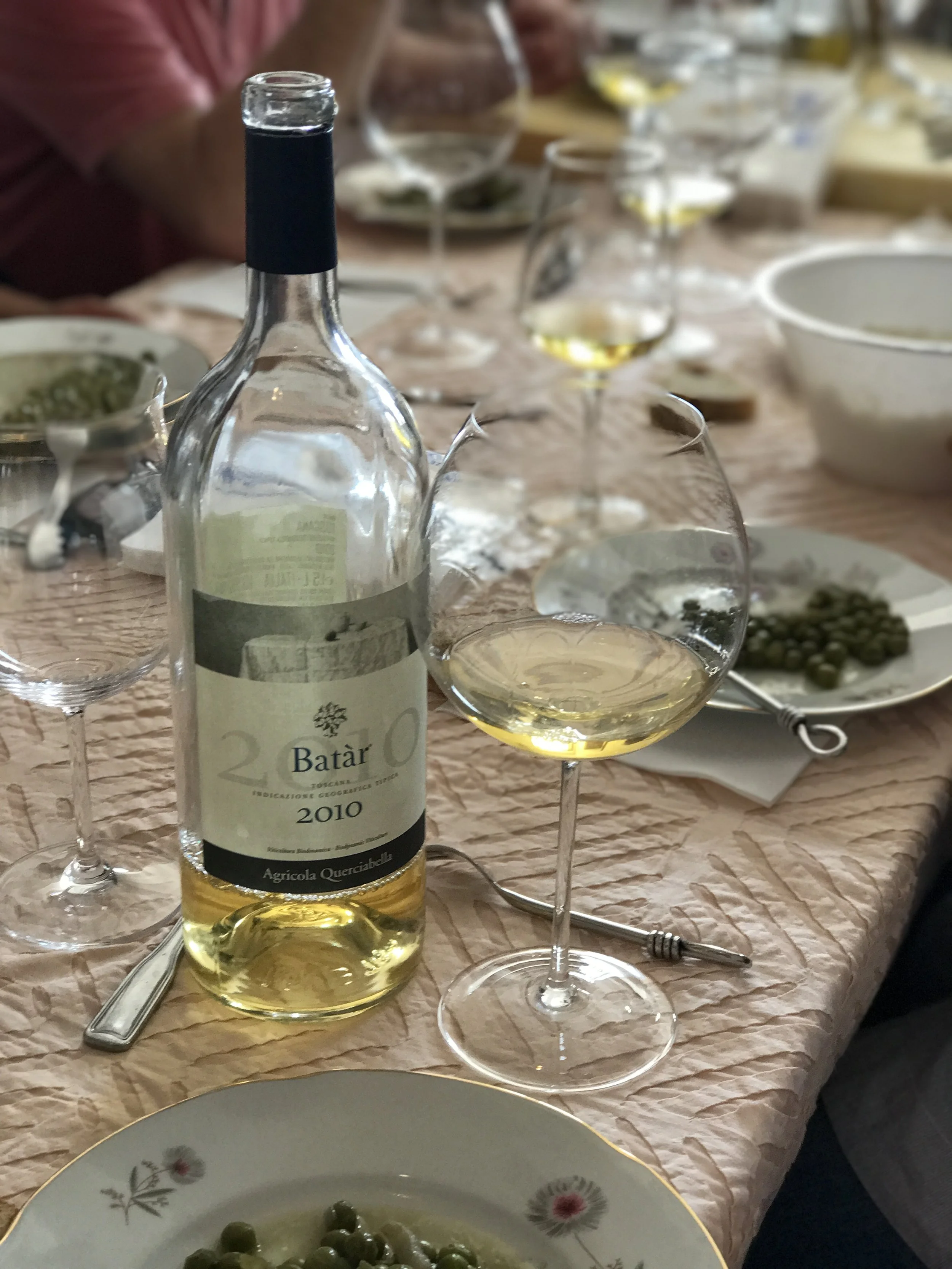
Photo by JC Viens