Ideas & Culture
Wine reflects how we live, what we value and the traditions we carry forward. Explore the ideas, books and cultural shifts that shape our relationship with wine, food and life around the table.
Articles


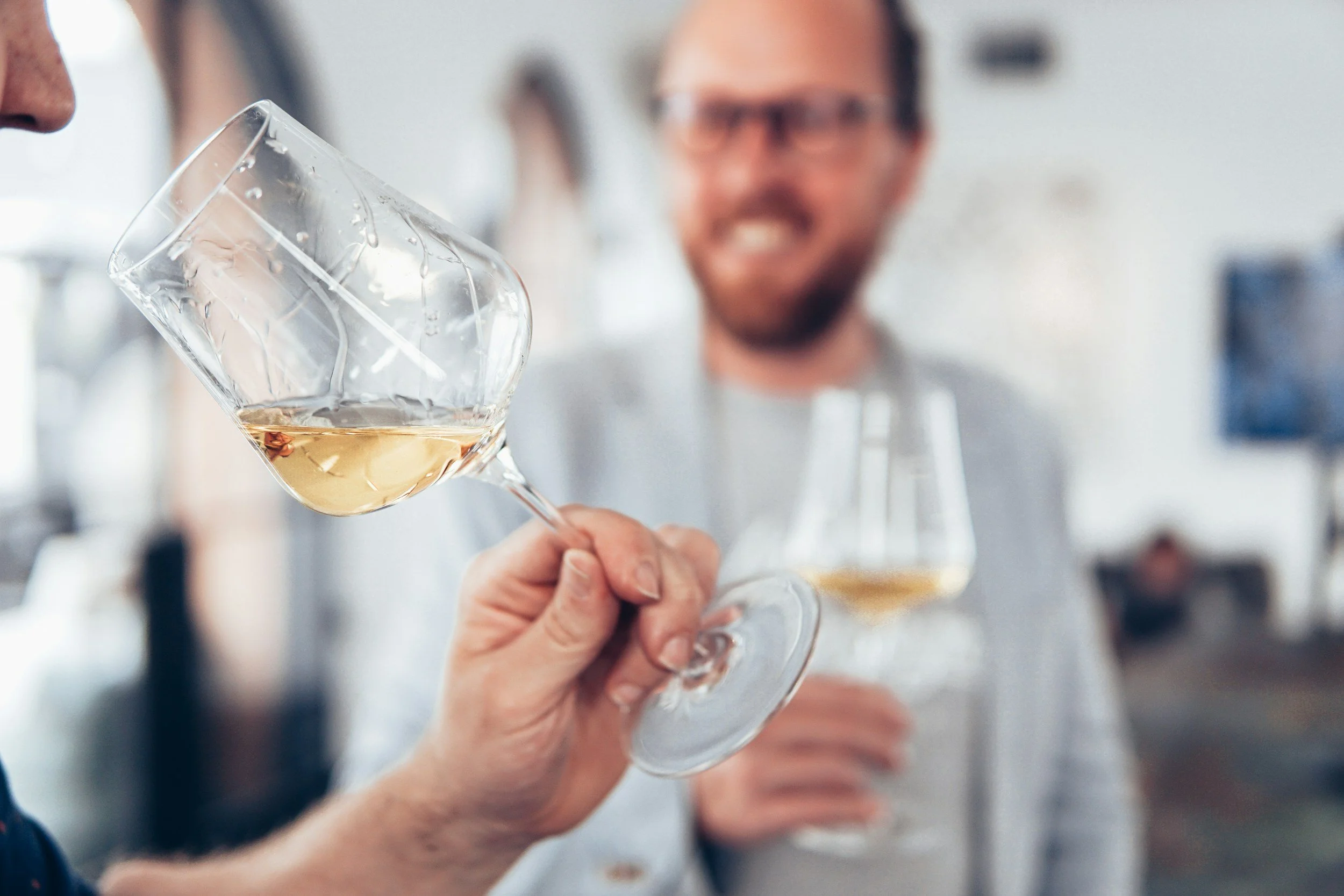
Wine reflects how we live, what we value and the traditions we carry forward. Explore the ideas, books and cultural shifts that shape our relationship with wine, food and life around the table.
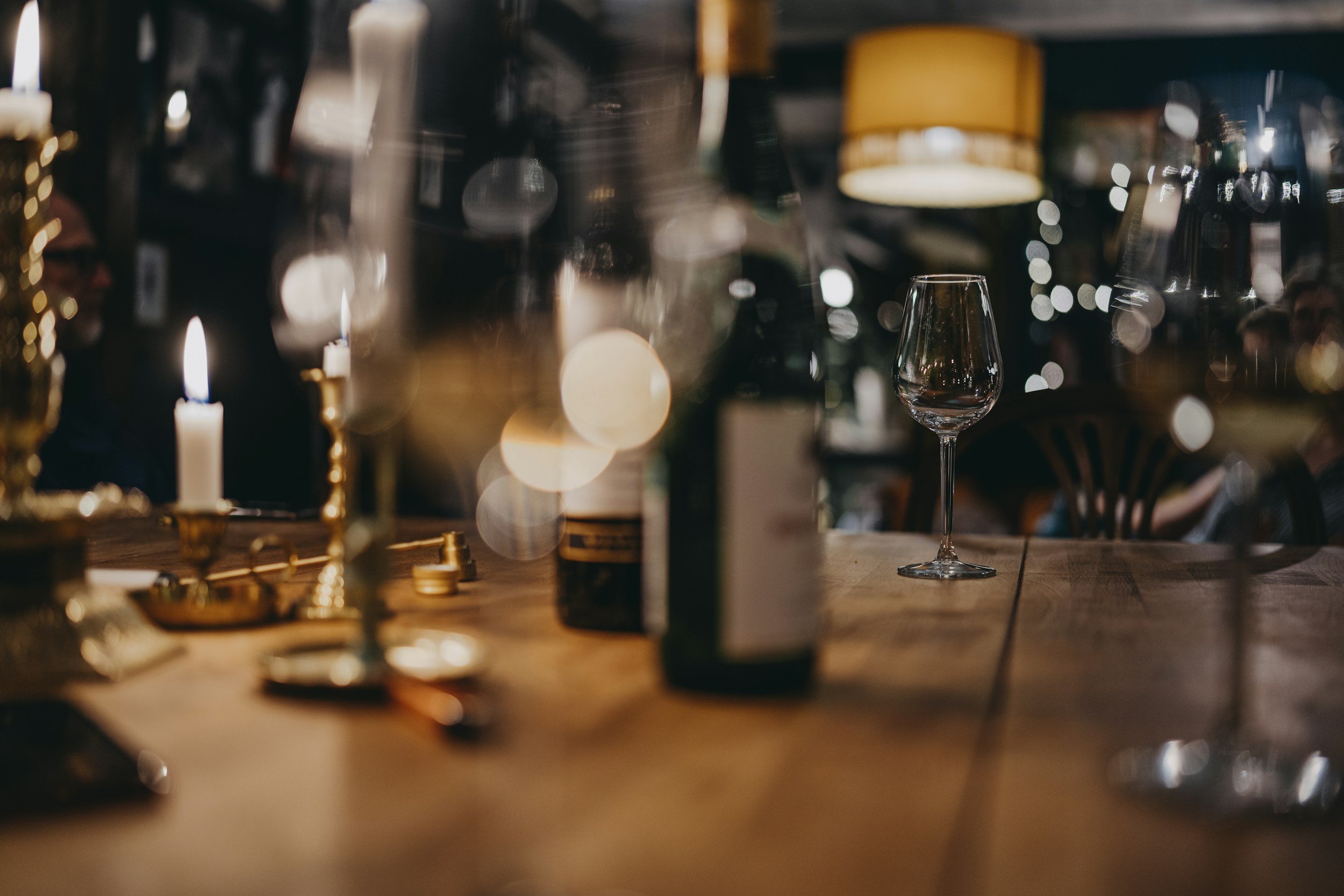
A wine list arrives, and someone quietly passes it on. An evening in Hong Kong, a Christmas in Tuscany, and a question I should have asked much sooner: who decided you must know about wine before you are allowed to choose it?
We live more alone than ever, and even among friends we each order our own glass.
At a social table in Milan, ten strangers became one conversation.
Small as it is, the open table may be what the wine world needs most.
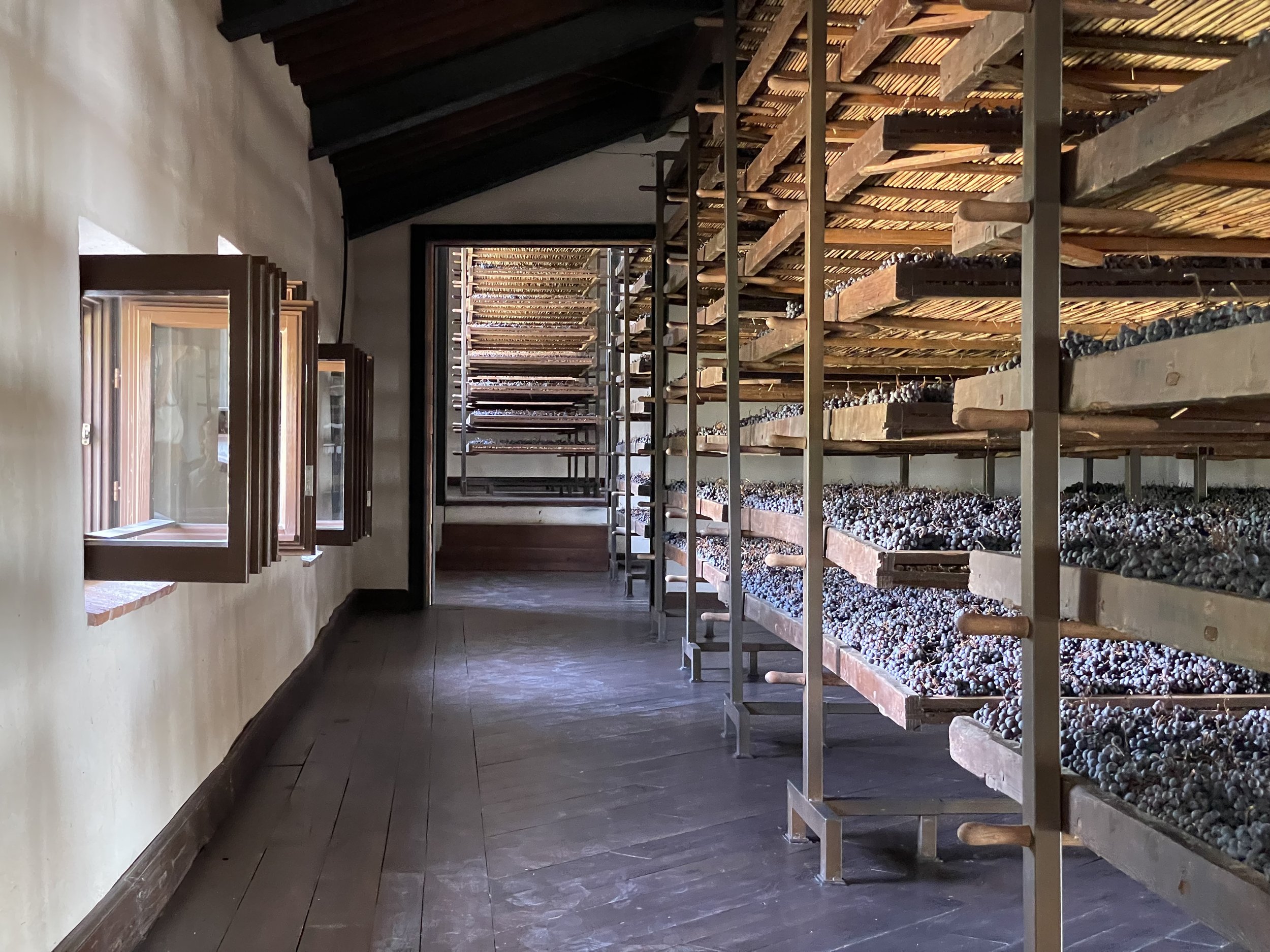
Across Valpolicella, the best grapes of the harvest now rest in the fruttai until December. Italy has put this rite forward to UNESCO, to protect a knowledge handed down through families rather than a method.
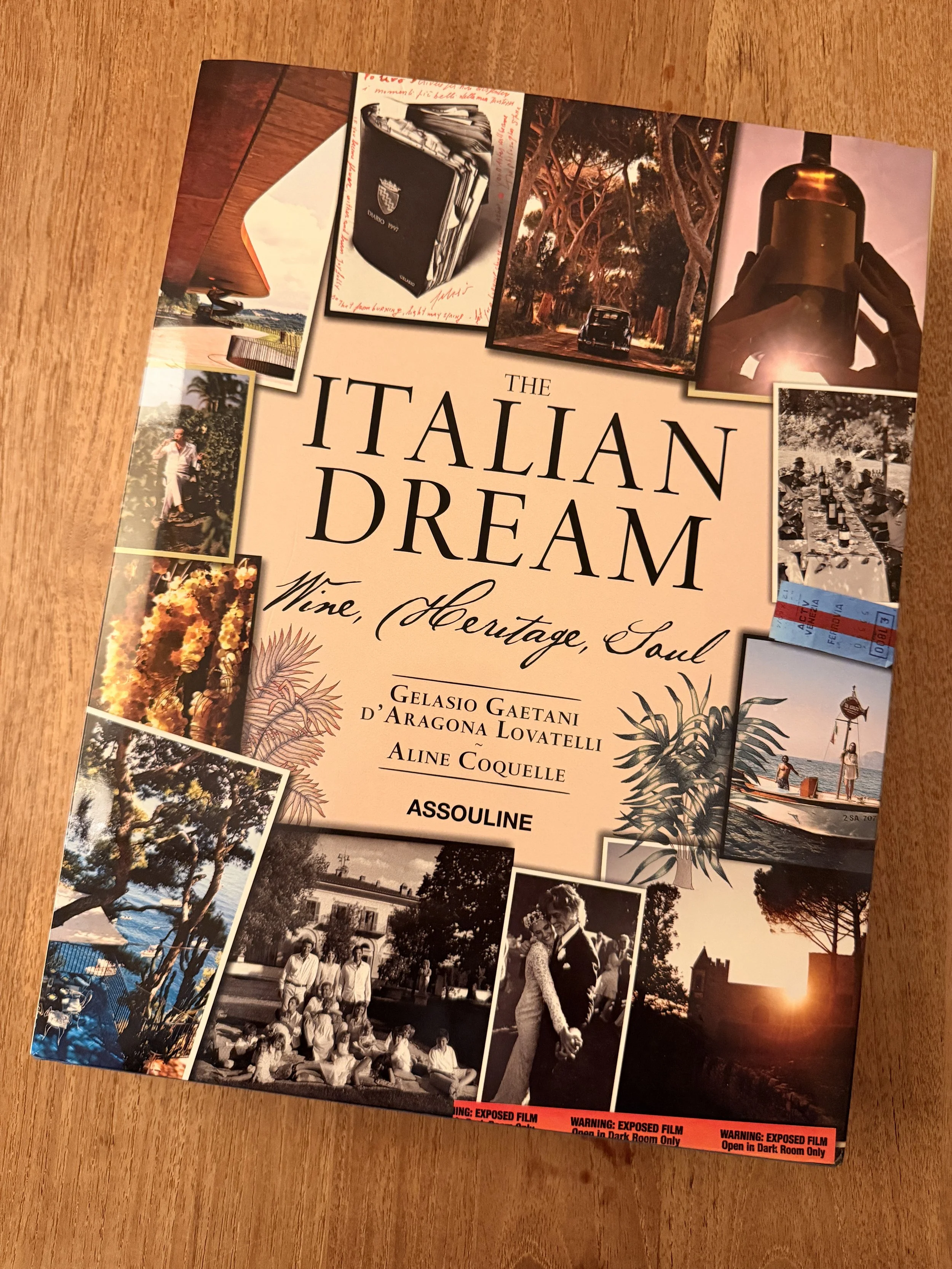
The first time I turned the pages of The Italian Dream, I had the reaction most foreigners have: I want to be in that book.
Through a long lunch in a garden and the houses of Italy's old families, it captures an art of living quietly preserved for generations.
It is a dream, of course, but one worth looking for, because it does exist.
Much of wine communication answers questions nobody has asked yet: information offered before interest exists. People find their way into wine through a moment, and knowledge follows when curiosity asks for it. Wine has no shortage of information. What it needs more of is invitation.